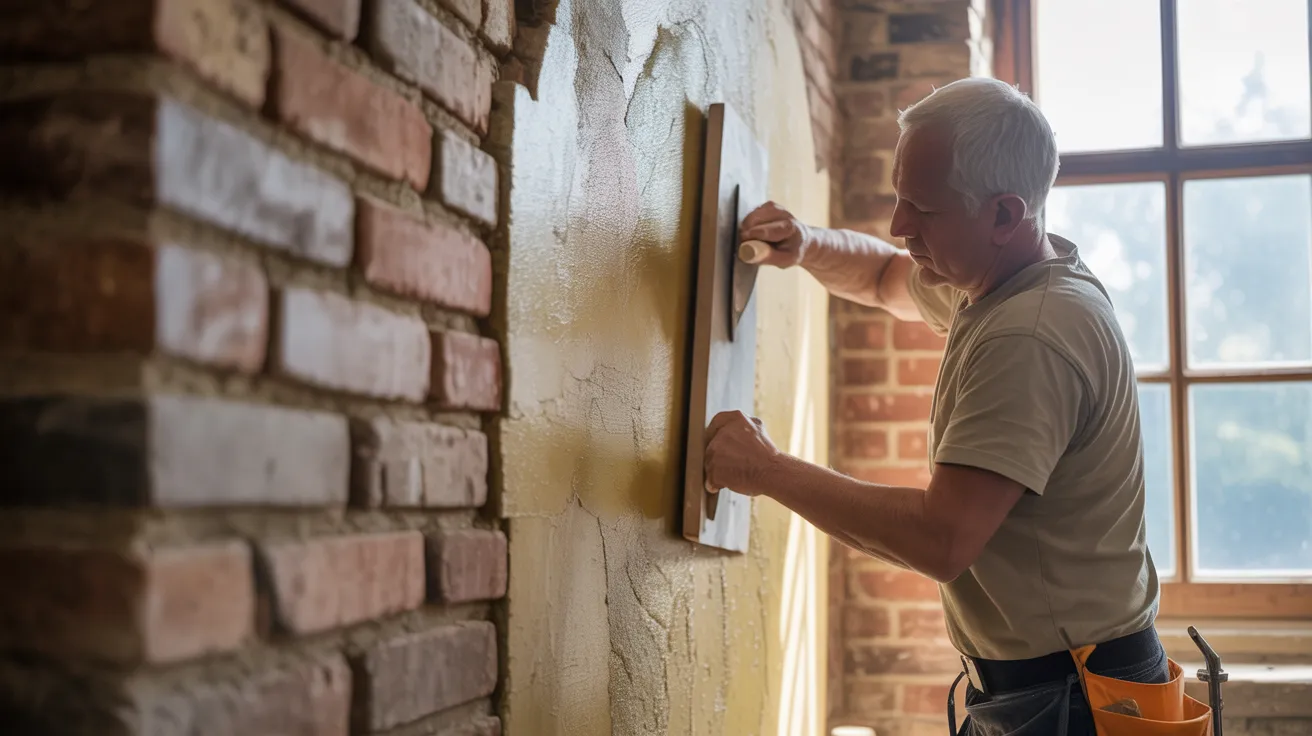
When you engage qualified plaster specialists, you ensure impeccable surface readiness, skillfully mixed materials, and consistent application-whether working with lime, gypsum, or cement plasters. Skilled tradespeople employ high-quality trowels, hawks, and advanced techniques to deliver durable, crack-resistant, and visually seamless finishes. They protect structural integrity and improve fire resistance, merging traditional craftsmanship with modern standards. By choosing experts, you decrease callbacks and costly errors, while safeguarding both heritage character and architectural details. Find out more about what sets apart true professionals in this field.
Critical Insights
- Skilled plaster artisans produce smooth, enduring results through applying innovative methods and products tailored to individual project specifications.
- Skilled plasterers guarantee proper surface preparation, preventing defects and supporting enduring structural integrity in residential and commercial projects.
- Professional contractors deliver an array of services, featuring traditional cement, lime, and gypsum plasters, along with decorative and heritage work.
- Working with skilled contractors guarantees compliance with safety protocols, project timelines, and high-quality craftsmanship that enhances both visual appeal and lasting quality.
- Choosing professional plasterers helps decreasing resource waste, optimizing costs, and delivering outcomes that blend perfectly with structural details and traditional elements.
Understanding the Value of Professional Plastering in Construction
Although plastering may seem like a finishing touch, professional plastering is essential for both the strength and beauty of all construction work. Through technically proficient plastering, you achieve optimal plaster results-producing a lasting, stable, and uniform finish. Careful surface preparation is crucial; it's necessary to evaluate surfaces for dampness, impurities, and irregularities prior to plaster application. When these measures are overlooked, you risk poor adhesion, delamination, or premature surface failure. Skilled plasterers use precise mixing ratios, consistent application techniques, and specific implements to ensure consistent thickness and seamless results. By controlling setting times and get more info environmental conditions, you guarantee the plaster cures correctly. Ultimately, investing in quality plasterwork preserves construction integrity and improves the aesthetic appeal of your project.
Important Characteristics of a Quality Plaster Contractor
Understanding how significantly expert plastering influences both resilience and aesthetics, picking the right plaster contractor is a vital element in your project's success. You require a contractor with a proven track record in precise application procedures and extensive knowledge of plaster material options. Assess their ability to recommend materials-such as gypsum, lime, or cement plasters-based on your surface, conditions, and durability expectations. Prioritize contractors who demonstrate a strict commitment to plastering security, including the implementation of personal protective equipment and adherence with site safety protocols. Superior project management abilities, attention to surface preparation, and expertise in handling both traditional and modern plastering systems are also crucial. Ultimately, a dependable plaster contractor ensures flawless finishes, adherence to timelines, and enduring structural integrity.
Professional Plastering Services: Available Options
Upon hiring a professional plaster contractor, you gain access to a all-encompassing selection of plastering services designed for different construction and renovation requirements. You'll find these experts proficient in working with traditional lime plaster, gypsum-based plaster, and cement render, each demanding careful selection of plaster mix for optimal adhesion and durability. Contractors can handle internal wall skimming, external rendering, patch repairs, and decorative cornice work. They assess substrate conditions, adapting the plaster mix ratio to accommodate specific surfaces-ensuring crack resistance and longevity. Experienced applicators employ advanced finishing techniques such as trowel polishing, sponge floating, or sand-textured finishes for both decorative and functional outcomes. Whether you want smooth walls or elaborate textures, professional plasterers deliver customized solutions using industry-leading materials and methodologies.
Key Benefits of Working With Expert Plastering Specialists
By employing skilled plasterers, you can expect a superior finish with consistent texture, precise edges, and long-lasting durability. Their proficiency reduces material waste and streamlines application, saving you both time and money. You'll gain from industry-standard techniques that maximize productivity without compromising quality.
Superior Finish and Durability
Although current materials present a variety of possibilities, professional plasterers invariably provide a premium finish and excellent durability that distinguishes their work apart. You'll observe their precise approach to substrate preparation, which guarantees maximum adhesion and a perfect substrate. Well-prepared surfaces reduce problems like fracturing, peeling, or inconsistent settling, enhancing the sustained performance of plaster systems. Professional contractors also excel at custom finish textures, from fine trowel to elaborate Venetian or rustic, tailoring each application to your project's parameters. Their technical expertise allows them to combine traditional methods with current advancements, developing surfaces that withstand damage, dampness, and everyday use. By trusting qualified plasterers, you gain not only visual refinement but also construction quality, ensuring your walls and ceilings stand the test of time.
Efficiency in Time and Cost
Because experienced plasterers possess advanced skills and deep material understanding of streamlined execution at every stage of the plastering process - from substrate preparation to the final finish. Skilled tradespeople reduce completion times by strategically planning application timing, drying times, and process coordination. Their extensive experience helps prevent expensive errors, like incorrect substrate preparation or inconsistent material thickness, which frequently demand remedial work. By hiring qualified contractors, you ensure maximum material effectiveness, decreasing material loss and avoiding unnecessary expenses.
What's more, professional plasterers create superior plastering results and sophisticated decorative touches punctually, merging efficiency with aesthetic excellence. They employ advanced tools and tested techniques, making sure your project stays on schedule and financially controlled. This streamlined approach leads to consistent costs and steady results, enhancing both return and project effectiveness.
Common Mistakes Professional Plasterers Know to Avoid
Even though all plastering work brings its own unique challenges, seasoned professionals consistently avoid mistakes that might undermine the durability and aesthetics of their work. You'll find that they rigorously adhere to proper safety measures, making certain nothing undermines workplace conditions or personnel well-being. Expert plasterers prevent typical problems such as poor substrate preparation, wrong material proportions, and inadequate drying periods-all of which can result in splitting, peeling, or diminished longevity. When working with decorative plastering, they eliminate pattern inconsistencies and surface flaws through accurate installation techniques and by utilizing the right equipment. They also address problems such as excess moisture or poor bonding by selecting appropriate products for each setting. In the end, their professional knowledge confirms your plasterwork is both durable and aesthetically pleasing.
How Plaster Contractors Create Perfect Surfaces
Through precise management of each stage of the plastering process to produce durable and flawless finishes. Skilled craftsmen use advanced troweling techniques to eliminate surface imperfections and ensure uniform texture. Thorough substrate preparation, incorporating priming and leveling, prevents adhesion failures and cracks. Experts pick plaster mixes formulated for ideal workability, setting time, and moisture resistance, essential for bathrooms or kitchens where humidity is high. They spread base coats and finish coats with exactness, maintaining consistent thickness to avoid weak spots. For decorative finishes, experts utilize specialty plasters and tools, creating intricate textures or high-sheen surfaces without sacrificing durability. Attention to curing times and environmental conditions further assures a robust, defect-free result that endures throughout the years.
The Importance of Plastering in Renovation and Restoration Efforts
While undertaking renovation or restoration projects, plastering serves as a key element in protecting heritage value and enhancing structural performance. It's clear that skilled plaster contractors evaluate surface conditions, address cracks or material failures, and specify appropriate plaster systems to blend with or upgrade existing surfaces. Plastering isn't just about repair; it's about restoring the original character. Whether you're restoring intricate trim or refreshing walls with decorative treatments, precise application methods ensure smooth transition with the original architecture. Surface treatments can mirror historical techniques, offering both design consistency and tactile authenticity. By using compatible materials and preserving architectural details, you protect your building's heritage while enhancing durability, insulation, and fire resistance. Ultimately, thorough plastering work elevates both aesthetic and functional outcomes in your project.
Professional Plastering Tools and Techniques: An Overview
While plastering might seem simple, skilled plasterers rely on a specialized arsenal of tools and refined techniques to deliver flawless, enduring results. You'll notice that professionals use high-quality finishing tools and materials to create level, consistent surfaces. Precision mixing paddles ensure plastering adhesives reach the optimal consistency for strong bonding and limited cracking. Plasterers professionally apply base coats and finishing plasters, using straightedges and feathering techniques to ensure clean corners and smooth joins. For decorative finishes, they often employ particular finishing tools and implements, creating detailed patterns and distinctive textures. Command of these tools and techniques allows you to deliver both structural integrity and visual beauty, guaranteeing your plasterwork stands out for its craftsmanship and durable performance.
Key Cost Factors When Hiring Plaster Contractors
Knowing the key cost elements when hiring plaster contractors is crucial for effective cost management, as budget requirements often fluctuate. Initialize with a detailed financial assessment, accounting for labor rates, which change according to work complexity and contractor skill level. Material options - such as lime, gypsum, or cement plaster - directly affects final expenditure, as do surface conditions requiring preparation. Project size and design features, like curved surfaces or ornamental work, also influence pricing structures. Consider site accessibility, as difficult-to-reach areas may add to labor charges. For accurate cost estimation, obtain comprehensive proposals, ensuring all elements - including scaffolding, cleanup, and waste disposal - are factored in. By evaluating these factors, you'll gain a precise picture of the necessary budget for quality plastering work on your project.
How to Choose the Perfect Plaster Contractor for Your Construction Work
To guarantee superior durability and flawless results for your plaster installation, picking a qualified professional is vital. Start by reviewing the contractor's portfolio, specifically seeking examples of decorative finishes that complement your aesthetic vision. Evaluate their expertise in advanced products including Venetian plaster or lime-based products, and verify their professional competence in surface prep and installation techniques. Remember to check proper licensing, insurance, and client references to validate reliability and safety protocol adherence. Have a detailed conversation about timelines, material procurement, and aftercare solutions. Make sure to ask for a mock-up of any decorative finish to evaluate workmanship. By focusing on technical prowess and artistic vision, you'll select a plaster specialist who delivers exceptional results.
Key Questions Answered
How Long Does Plaster Take to Fully Cure?
While handling plaster, it's important to understand how the drying time and curing process aren't the same. Typically, plaster becomes surface dry within 24-48 hours, based on temperature and humidity. Yet, full curing requires more time-usually 4-6 weeks. During the curing phase, moisture gradually evaporates, enabling the plaster to achieve its maximum hardness and durability. Make sure not to paint or finish the surface before the curing process has finished to prevent compromising the finish.
Can Plastering Be Done in Extreme Weather Conditions?
Did you know that plaster's curing speed can reduce by up to 50% at temperatures lower than 5°C? While working with plaster in extreme conditions, you face major problems like rapid drying, cracking, or extended hardening. To tackle these problems, you can employ temporary barriers, heating equipment, or insulation materials. Proper insulation improves the curing process, maintaining ideal environmental conditions, guaranteeing your plaster achieves the required strength, durability, and finish quality.
Is Plastering Safe for People With Allergies or Asthma?
Regarding allergy considerations and asthma safety, you should be aware that plastering can release fine dust and volatile compounds during mixing and application. If you have allergies or asthma, you should prioritize adequate air circulation and use dust-minimizing techniques. Choose plaster materials with minimal VOCs or allergens for fewer respiratory issues. Always wear personal protective equipment such as respirators and eye protection. Following the curing process, well-applied plaster generally emits minimal allergens, but early protective steps are necessary if you have respiratory sensitivities.
What's the Environmental Footprint of Today's Plastering Materials?
Are you aware of the impact your plaster materials impacts the environment? Contemporary plastering usually depends on gypsum, which demands considerable resources for extraction and processing, elevating carbon emissions. Nevertheless, you can choose eco friendly alternatives like lime-based plasters, which take in CO₂ during hardening. Producers now embrace eco-friendly practices, incorporating recycled materials and energy-efficient kilns. By selecting these substitutes, you'll assist in decreasing the environmental impact while maintaining high-performance finishes.
Maintaining Plastered Surfaces: What You Need to Know
To preserve plastered surfaces in good condition, you should regularly perform surface cleaning using a soft brush or damp cloth to remove dust and debris, steering clear of abrasive materials that may damage the finish. Always check paint compatibility before adding any new coatings, making sure the plaster is properly dried and free of moisture. Periodically inspect for cracks or detachment, and fix minor issues immediately to stop moisture ingress and preserve structural integrity.
Summary
Collaborating with professional plaster specialists delivers high-quality and flawless projects. You'll avoid shoddy shortcuts and achieve long-lasting surfaces, because of their expert capabilities and high standards. Through their material expertise, meticulous techniques, and modern tools, your construction achieves both aesthetics and durability. Never minimize the value committed plasterers offer dependable results, enhancing your value and reducing problems. Select carefully, and your project will stand the test of time.